Will an ADU Increase My Property Taxes?

A 2026 Guide for California and Los Angeles County Homeowners
By Andrea Pazmino-Pace, REALTOR®
HomeSmart Realty Group | (626) 590-1289 | AskAndreaHomes.com
Updated August 2026
Yes. Building an accessory dwelling unit, or ADU, will generally increase your property taxes in California because the completed ADU is considered assessable new construction.
However, the County Assessor normally adds only the market value created by the ADU. The existing house and land usually keep their current Proposition 13 assessed values unless another event, such as a change in ownership, requires a broader reassessment.
In simple terms, building an ADU usually creates a partial reassessment, not a full reassessment of the entire property.
Does Building an ADU Reassess the Entire Property?
Generally, no.
California’s property-tax system allows different portions of the same property to have separate base-year values.
When you build an ADU, the County Assessor typically:
-
Keeps the existing Proposition 13 value of the house and land
-
Determines how much market value the ADU added when completed
-
Establishes a new base-year value for the ADU construction
-
Adds that value to the property’s existing assessed value
The Assessor does not normally reset the entire property to its current market value solely because you built an ADU.
How Are California Property Taxes Calculated?
Under Proposition 13:
-
The base property-tax rate is generally 1% of assessed value
-
Local voter-approved debt can increase the total tax rate
-
Existing assessed value usually increases by no more than 2% annually
-
New construction can receive a separate current-market-value assessment
-
A change in ownership can cause a broader reassessment unless an exclusion applies
Many Los Angeles County properties have total property-tax rates above 1% because of local bonds and voter-approved charges.
Fixed parcel taxes and direct assessments may also appear on the bill. Those charges do not necessarily change when the assessed value increases.
How Does the Assessor Value an ADU?
The Assessor determines the increment of market value the completed ADU adds to the entire property.
The assessment is not necessarily based on:
-
What you paid the contractor
-
The amount of your construction loan
-
The ADU’s expected rental income alone
-
A fixed price per square foot
-
The amount you believe the ADU increased the resale value
The Assessor may consider:
-
ADU size
-
Construction type
-
Quality and finishes
-
Number of bedrooms and bathrooms
-
Attached or detached design
-
Garage conversion
-
Utility connections
-
Property location
-
Local market evidence
-
Completion date
-
Overall contribution to property value
Construction cost and added market value can be different.
You might spend $300,000 building an ADU, but that does not automatically mean the assessed value will increase by exactly $300,000.
Example of an ADU Property-Tax Increase
Suppose your property currently has an assessed value of $450,000.
You construct a detached ADU, and the Assessor determines that it adds $250,000 in market value.
The new combined assessed value could be approximately:
| Assessment component | Assessed value |
|---|---|
| Existing house and land | $450,000 |
| New ADU value | $250,000 |
| New total assessed value | $700,000 |
At the 1% base property-tax rate, the ADU portion would add approximately:
$250,000 × 1% = $2,500 per year
Local voter-approved debt could increase the final amount. Fixed charges on the tax bill may not change.
This is only an example. The Assessor determines the actual added value.
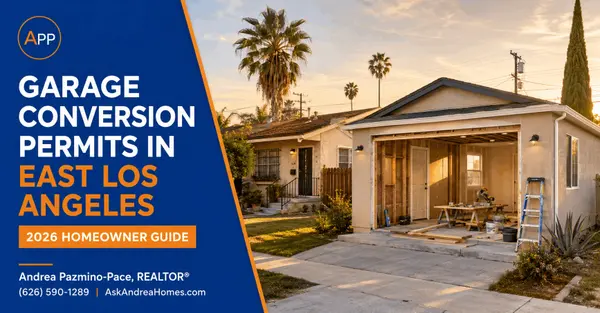
Does a Garage Conversion Increase Property Taxes?
A permitted garage conversion into an ADU can increase the assessed value, but the calculation may differ from new detached construction.
The Assessor may evaluate:
-
The garage’s value before conversion
-
Its value after conversion
-
Structural improvements
-
New plumbing and electrical systems
-
Kitchen and bathroom installation
-
Additional living utility
-
Market value added by changing the legal use
Because the garage already existed, the added assessed value may be based on the difference between its prior use and its completed residential use.
Do not assume a garage conversion will have no tax effect because the exterior structure already existed.
Does Converting Existing Interior Space Into a JADU Increase Taxes?
A junior accessory dwelling unit, or JADU, is generally created within the walls of an existing home and has a maximum size of 500 square feet.
The tax effect depends on the actual work and whether the project creates assessable new construction.
Minor alterations or repairs may have little or no assessable effect. Major improvements that materially increase the home’s usefulness or value may create a new-construction assessment.
The County Assessor must evaluate the individual project.
When Does the Property-Tax Increase Begin?
The new assessment generally begins when the ADU is completed or available for use.
Completed new construction can generate a supplemental assessment. The supplemental bill covers the period from the first day of the month following completion through the end of the fiscal year.
California’s property-tax fiscal year runs from July 1 through June 30.
Afterward, the new ADU value normally appears on the regular annual property-tax bill.
Could You Receive More Than One Supplemental Bill?
Possibly.
Depending on the completion date and processing time, a new-construction event can result in supplemental assessments affecting more than one fiscal period.
A supplemental bill is separate from the regular secured property-tax bill.
Homeowners should not assume that paying the regular bill satisfies a later supplemental bill.
How Soon Will the Supplemental Bill Arrive?
It may not arrive immediately after the ADU is completed.
The timing depends on:
-
Permit records
-
Final inspection
-
Information sent to the Assessor
-
Appraisal workload
-
Completion date
-
County processing
A delayed bill does not mean the ADU escaped assessment. Set money aside for the potential supplemental bill.
Does the Assessor Receive ADU Permit Information?
Generally, yes.
Building and planning departments provide permit and construction information that can help the Assessor identify new construction.
The Assessor may also discover construction through:
-
Final inspection records
-
Field inspections
-
Property sales
-
Appraisals
-
Public records
-
Owner reports
-
Aerial or property information
-
Code-enforcement activity
According to the California State Board of Equalization, assessable construction can be valued even if it was completed without a permit.
Not obtaining permits does not prevent a property-tax assessment.
Will an Unpermitted ADU Increase Property Taxes?
It can.
An unpermitted ADU may still be assessable if the Assessor determines that it adds market value.
At the same time, an unpermitted ADU can create additional problems involving:
-
Building and safety violations
-
Fines and investigation fees
-
Legalization costs
-
Appraisal
-
Financing
-
Insurance
-
Seller disclosures
-
Rental legality
-
Market value
-
Future resale
Paying property taxes on an unpermitted structure does not legalize it. Tax assessment and building-code approval are separate matters.
Does the ADU Receive Its Own Tax Bill?
Usually, no.
An ADU is generally part of the same legal parcel as the primary residence. Its assessed value is added to the property’s existing assessment, and the owner receives the tax bill for the combined parcel.
Separate-conveyance rules are limited and highly specialized. Most homeowners cannot sell an ADU separately from the main property.
Will Renting the ADU Increase the Property Taxes?
Rental income alone does not usually trigger a new Proposition 13 reassessment.
The new-construction assessment results from building or converting the ADU, not simply from signing a lease.
However, renting an ADU can create other tax and financial issues involving:
-
Federal and California rental income
-
Depreciation
-
Expense deductions
-
Local registration
-
Business licenses
-
Rent-control rules
-
Insurance
-
Utility allocation
Consult a qualified tax professional before renting the unit.
Will the ADU’s Assessed Value Increase Every Year?
After the ADU receives its new base-year value, that portion of the assessment generally receives the same Proposition 13 treatment as the rest of the property.
Its annual assessed-value increase is normally limited to the lower of:
-
California’s inflation adjustment
-
2%
A later change in ownership or additional new construction may create another reassessment event.
What Happens When the Property Is Sold?
When the entire property is sold, the main home, land, and ADU are generally reassessed together at the property’s current fair market value unless a valid exclusion applies.
The buyer’s new assessment is normally based on the value of the entire property, not the seller’s separate historical base-year values.
A legal, permitted ADU may contribute to the purchase price and new assessed value.
Can an ADU Increase the Home’s Market Value?
Yes, a legal and well-designed ADU may increase:
-
Resale value
-
Buyer demand
-
Rental-income potential
-
Multigenerational use
-
Flexibility
-
Property functionality
However, construction cost, added assessed value, and resale value are three different numbers.
For example:
-
Construction cost: $300,000
-
Added assessed value: $230,000
-
Possible contribution to resale value: $275,000
These figures will not always match.
Market contribution depends on:
-
Location
-
Permits
-
Size
-
Condition
-
Privacy
-
Parking
-
Layout
-
Rental potential
-
Utility arrangements
-
Local demand
How Can You Estimate the Property-Tax Increase Before Building?
Before starting, ask the Los Angeles County Assessor how new ADU construction is generally valued.
You can also create a preliminary estimate:
-
Estimate the likely market value added by the ADU
-
Multiply that amount by the property’s approximate tax rate
-
Add the estimated increase to the current annual bill
-
Maintain a reserve for supplemental taxes
Example:
-
Estimated added assessed value: $200,000
-
Approximate tax rate: 1.20%
-
Possible annual increase: $2,400
$200,000 × 1.20% = $2,400
This is only a planning estimate. It is not an official assessment.
Is the Property-Tax Increase Based on Rental Income?
Not necessarily.
For typical owner properties, the Assessor may focus on the market value added by the construction. Rental income could provide evidence of value, but it is not automatically multiplied by a standard amount to determine the assessment.
Different valuation methods may be considered depending on the property.
Can You Appeal the ADU Assessment?
Yes.
If you believe the Assessor assigned too much value to the completed ADU, begin by contacting the Assessor and asking for an explanation or review.
Helpful evidence may include:
-
Construction plans
-
Permit records
-
Final inspection date
-
Contractor invoices
-
Photographs
-
Construction-quality information
-
Comparable properties with ADUs
-
Professional appraisal
-
Evidence of structural or utility limitations
If the disagreement is not resolved, you may be able to file a formal assessment appeal before the applicable deadline.
Continue paying the property-tax bills on time while a review or appeal is pending.
Does an ADU Affect the Homeowners’ Exemption?
An eligible owner-occupied property may still qualify for California’s Homeowners’ Exemption.
The exemption reduces the taxable assessed value by $7,000. It does not eliminate the new-construction assessment for an ADU.
If the property remains your principal residence, confirm that the exemption still appears on the tax bill.
Do ADU Repairs Increase Property Taxes?
Ordinary repairs and maintenance generally do not create a new-construction assessment when they simply restore the property to its prior condition.
Examples may include:
-
Repainting
-
Replacing damaged flooring
-
Repairing a roof
-
Replacing fixtures with comparable items
-
Routine maintenance
A substantial addition, reconstruction, change in use, or major quality upgrade may be assessable.
Questions to Ask Before Building
Ask the designer, contractor, Assessor, and tax professional:
-
How much market value might this ADU add?
-
When will construction be considered complete?
-
Could I receive supplemental tax bills?
-
How will a garage conversion be valued?
-
Will utility or school fees apply?
-
Will the ADU affect insurance premiums?
-
What rent could the unit legally generate?
-
What ongoing maintenance should I expect?
-
Will local rental rules apply?
-
How might the ADU affect resale value?
-
Can the property support the added annual taxes?
Frequently Asked Questions
Will a 500-square-foot ADU increase property taxes?
Generally, yes. The Assessor will estimate how much market value the completed unit adds.
Will a prefabricated ADU increase property taxes?
Generally, yes. The construction method does not usually eliminate the new-construction assessment.
Will a garage conversion increase taxes less than a new ADU?
Possibly. The Assessor may consider the garage’s prior value and the additional market value created by the conversion.
Is the whole house reassessed?
Generally, no. The existing home and land usually retain their Proposition 13 values. The new ADU receives a separate base-year value.
Can the ADU be taxed even without permits?
Yes. Assessment does not legalize the unit, and the unit may still create code-enforcement problems.
Will I receive a supplemental bill?
Completed new construction commonly generates a supplemental assessment before the added value appears on the regular annual bill.
Does an ADU affect capital-gains taxes?
Rental use, depreciation, and a later sale can create income-tax consequences. Consult a tax professional for advice based on your circumstances.
Conclusion
Building an ADU will generally increase property taxes in California, but it normally does not cause the entire existing property to be reassessed at current market value.
The Assessor adds the market value created by the new ADU to the property’s existing Proposition 13 assessment. The amount may be different from the construction cost or the ADU’s resale contribution.
Before building an ADU in Los Angeles, Long Beach, Baldwin Park, Downey, El Sereno, Boyle Heights, East Los Angeles, Compton, El Monte, or another Southern California community, estimate the tax increase along with construction, financing, utilities, insurance, and maintenance.
If you are considering an ADU before selling, buying, or improving a property, I can help you compare nearby homes with legal ADUs and evaluate how the unit may affect market value.
Andrea Pazmino-Pace, REALTOR®
HomeSmart Realty Group
Phone: (626) 590-1289
Website: AskAndreaHomes.com
This article provides general educational information. It is not tax, legal, appraisal, architectural, engineering, or construction advice.
Official sources: Los Angeles County Assessor: New Construction and ADUs, California State Board of Equalization: New Construction, California supplemental assessments, and Los Angeles County Proposition 13 information.
Categories
- All Blogs (93)
- Accessory Dwelling Units (1)
- Accessory Dwelling Units (ADUs) (1)
- ADUs and Property Improvements (2)
- agregar a alguien en el titulo de la casa (2)
- Albaceas y Administradores (1)
- Apelaciones de Impuestos (1)
- Appeal property taxes in Los Angeles County (1)
- Baldwin Park (2)
- Baldwin Park News (2)
- Baldwin Park property taxes (1)
- Baldwin Park Real Estate (9)
- Baldwin Park Real Estate Market (2)
- Beneficios Fiscales para Propietarios (1)
- Bienes Raíces (4)
- Bienes Raíces de Baldwin Park (1)
- Bienes Raíces de Sucesiones en Los Ángeles (1)
- Bienes Raíces del Condado de Los Ángeles (1)
- Bienes Raíces en Baldwin Park (2)
- Bienes Raíces en Boyle Heights (1)
- Bienes Raíces en California (4)
- Bienes Raíces en East Los Ángeles (2)
- Bienes Raíces en el Condado de Los Ángeles (4)
- Bienes Raíces en el Este de Los Ángeles (1)
- Bienes Raíces en El Monte (1)
- Bienes Raíces en el Sur de California (4)
- Bienes Raíces en Los Ángeles (2)
- bienes y raices en compton (2)
- Bienes y Raices en El Este de Los Angeles (1)
- bienes y raices ideas para vender (2)
- Bienes y Raices in Compton (1)
- bienes y raices in downey ca (1)
- Boyle Heights first-time homebuyer (1)
- Boyle Heights home prices, (1)
- Boyle Heights Mercado Inmobiliario (1)
- Boyle Heights Precios de la Vivienda (1)
- Boyle Heights Primeros Compradores (1)
- Boyle Heights real estate market (1)
- Boyle Heights zoning (2)
- Building Permits (1)
- Buyer Resources (4)
- Buying a Home (3)
- Buying a Home in Baldwin Park (1)
- buying a home in Boyle Heights 2026 (1)
- california bienes y raices (2)
- California Homeowners (2)
- California Homeowners Insurance (1)
- California Probate (1)
- California Property Taxes (2)
- california real estate (3)
- California Real Estate Laws (1)
- California Real Estate Taxes (1)
- Capital Gains Tax (1)
- Challenge assessed home value (1)
- Closing Costs (1)
- Code Enforcement (1)
- comision del agente (1)
- Community Development (1)
- como comprar casa (1)
- como poner una oferta de compra (1)
- Comparative Market Analysis (1)
- Compra de Casas (3)
- Compra de Vivienda (1)
- Compra de Viviendas (2)
- Compradores de Primera Vivienda (1)
- Compradores de Viviendas (1)
- Comprar casa en L.A. (1)
- Compton Real estate (1)
- Comunidades Cercanas al Transporte (1)
- Consejos de Bienes Raíces (1)
- Consejos para Propietarios (1)
- Consejos para Vendedores (1)
- Construcción de ADU (2)
- Construcciones Sin Permisos (1)
- Conversiones de Garaje (2)
- Costo de venta de una casa en LA (2)
- costos al vender su casa (1)
- costos de cierre (1)
- costos de escrow (1)
- costos de venta de casa (1)
- costos de venta de casa en ca (2)
- Cumplimiento de Códigos (1)
- Decline-in-Value Review (1)
- Desarrollo Urbano (1)
- Divulgaciones de la Propiedad (1)
- downey home selling (1)
- Downey market update (1)
- downey real estate (1)
- East Los Angeles (2)
- East Los Angeles Real Estate (7)
- Eastside Los Angeles Real Estate (1)
- Educación Inmobiliaria (6)
- Educación sobre Seguros (1)
- El Monte Real Estate (3)
- El Sereno Bienes Y Raices (1)
- El Sereno Mercado Inmobiliario (1)
- El Sereno Precio de Las Casas (1)
- El Sereno Priemeros-Compradores (1)
- Escrow Fees (1)
- Estate Administration (1)
- Executors and Administrators (1)
- first time home buyers (1)
- first-time home buyer (4)
- First-Time Home Buyer Guide (1)
- First-Time Home Buyers (2)
- Garage Conversions (2)
- Gentrificación y Desarrollo (1)
- Gentrification and Development (1)
- get your offer accepted (1)
- Gravámenes de Contratistas (1)
- Gravámenes sobre Propiedades (1)
- guia para compradores (1)
- Guía para Compradores Primerizos (1)
- Guías de Vecindarios (2)
- Guías del Mercado Local (1)
- Guías para Vender Casa (1)
- Hipoteca y Financiamiento (1)
- Home Buying (1)
- home buying process (2)
- Home Improvement (1)
- home loans (1)
- Home Maintenance (1)
- home offers (1)
- Home Price Trends (1)
- Home Prices & Market Trends (2)
- Home Pricing (1)
- Home Seller Resources (3)
- Home Selling (4)
- home selling cost (1)
- Home Selling Costs (2)
- Home Selling Timeline (1)
- Home Value (2)
- Home Values (2)
- Homeowner Exemptions (1)
- Homeowner Resources (4)
- Homeowner Tips (3)
- Homeowners (2)
- Homeowners Insurance (1)
- Housing Market (1)
- How Much House Can I Afford? (2)
- how to place an offer in a home (1)
- how to purchase a home (1)
- Impuesto sobre Ganancias de Capital (1)
- Impuestos sobre la Propiedad (4)
- Informacion del mercado de casas en Baldwin Park (2)
- Infrastructure Updates (1)
- Inherited Property (2)
- Inversión en Bienes Raíces (1)
- Inversión Inmobiliaria (2)
- Judgment Liens (1)
- LA Real Estate (1)
- LA Real Estate Market (1)
- Local Market Guides (1)
- los angeles bienes y raices (3)
- Los Angeles County assessment appeal (1)
- Los Angeles County Assessor (1)
- Los Angeles County Property Taxes (1)
- Los Angeles County Real Estate (6)
- Los Angeles County Record (1)
- Los Angeles Home Sale Cost (2)
- Los Angeles Home Sellers (1)
- Los Angeles Homeowners (2)
- Los angeles housing (1)
- Los Angeles Housing Market Updates (1)
- Los Angeles Neighborhoods (1)
- Los Angeles Probate Real Estate (1)
- los angeles real estate (2)
- Lower property taxes in California (1)
- Market update (5)
- Mechanic’s Liens (1)
- Mejoras del Hogar (1)
- Mejoras para el Hogar (1)
- Mercado de Vivienda (1)
- Mercado Inmobiliario (4)
- Mortgage & Financing (2)
- move up buyers (1)
- Mudanzas y Reubicación (1)
- Multigenerational Living (1)
- Neighborhood Guides (2)
- Neighborhood resource (1)
- Neighborhoods to Watch (1)
- oferta aceptada (1)
- Permisos de Construcción (1)
- Plan de Mejoras (1)
- Planificación Patrimonial (1)
- Precios de Viviendas (1)
- Precios y Tendencias del Mercado (2)
- Preparar una Casa para la Venta (1)
- Preparing Your Home for Sale (1)
- primer comprador en L.A. (1)
- primeros compradores (5)
- Probate Home Sales (1)
- Probate Property Buyers (1)
- Probate Real Estate (1)
- Probate y Bienes Raíces en East Los Angeles (1)
- Programa de Mejoras de Capital (1)
- Property Assessment (1)
- Property Disclosures (1)
- Property Investment (1)
- Property Taxes (2)
- Property Value (2)
- Property-tax appeal deadline (1)
- Property-Tax Appeals (2)
- Property-tax exemptions in California (1)
- Propiedades de Alquiler (2)
- Propiedades de Sucesión (1)
- Propiedades Heredadas (2)
- Propietarios de California (1)
- Propietarios de Vivienda (1)
- Propietarios de Viviendas en California (2)
- Propietarios Mayores de 55 Años (1)
- Proposición 19 (1)
- Proposición 8 (1)
- Proposition 13 (3)
- Proposition 19 (1)
- Proposition 8 (2)
- Proposition 8 property-tax reduction (1)
- Protección de Propiedades (1)
- Real Estate Advice (2)
- Real Estate Education (1)
- Real Estate for Heirs (1)
- Real Estate Investing (1)
- Real Estate Market (1)
- Real Estate Market Trends (1)
- Real Estate Market Updates (2)
- real estate tips (1)
- Realtor Commissions (1)
- Recursos para Compradores (1)
- Recursos para Herederos (1)
- Recursos para Propietarios (5)
- Recursos para Vendedores (1)
- Registros del Condado de Los Ángeles (1)
- remover a alguien del titulo de la casa (1)
- Rental Properties (1)
- Rental Property (1)
- reparaciones al vender (1)
- Riesgos Naturales (1)
- San Gabriel Valley (1)
- San Gabriel Valley Real Estate (1)
- Seguro contra Terremotos (1)
- Seguro de Vivienda (1)
- Seguros para Propietarios en California (1)
- Seller Resources (5)
- Seller Tips (3)
- Selling a Home (1)
- Selling a Home in Baldwin Park (1)
- Selling a House (1)
- Selling an Inherited Home (1)
- Sentencias Judiciales (1)
- Should You Sell Before Buying? (1)
- Southern California Real Estate (3)
- Step-Up in Basis (1)
- Sucesiones en California (1)
- Tasación de Propiedades (2)
- Tendencias del Mercado Inmobiliario (1)
- tips para duenos de casa (2)
- tips para quienes venden su casa (1)
- Title & Deeds (4)
- Title and Escrow (1)
- titulo de la casa (1)
- titulo de la propiedad (1)
- Título y Escrow (1)
- Transit-Oriented Communities (1)
- Trust Property (1)
- Unidades de Vivienda Accesoria (1)
- Unidades de Vivienda Accesoria (ADU) (1)
- Unidades de Vivienda Accesorias (ADU) (1)
- Unpermitted Construction (1)
- Valor de la Propiedad (2)
- Valor de la Vivienda (2)
- Valor de las Propiedades (1)
- Valor de Viviendas (1)
- Vecindarios con Potencial de Crecimiento (1)
- Vecindarios de Los Ángeles (1)
- vender tu casa (1)
- vender una casa (3)
- vendiendo tu casa (3)
- Venta de casa (2)
- Venta de casa en LA (3)
- Venta de Casas (2)
- Venta de Casas Tal Como Están (1)
- Venta de Propiedades Heredadas (2)
- Venta de Viviendas (4)
- Vivienda Multigeneracional (1)
- Will an ADU Increase My Property Taxes? (1)
Recent Posts